
For years, eggs were unfairly blamed for raising cholesterol and causing heart problems. Many people avoided this nutritious and affordable food because of old myths that no longer match modern science. Today, research clearly proves that eggs are safe, healthy, and one of the most nutrient-dense foods you can add to your daily diet. Let’s break down the common myths and understand the truth behind egg cholesterol.
🥚 Myth 1: “Eggs Raise Bad Cholesterol”
This is the biggest misconception.
According to updated nutritional studies, the cholesterol in eggs does NOT significantly raise LDL (bad cholesterol) for most people. Instead, eggs can actually increase HDL (good cholesterol), which protects your heart and improves overall cardiovascular health.
Your liver naturally makes cholesterol, and when you eat eggs, your body produces less, balancing it out. So eating eggs does not overload your cholesterol levels.
🥚 Myth 2: “Egg Yolks Are Dangerous”
Many people throw away the yolk thinking it’s unhealthy. But the egg yolk is the most powerful part of the egg. It contains:
- Choline – essential for brain function, especially in pregnant women
- Vitamin D – supports immunity and bone health
- Omega-3 fats – good for heart and brain
- Antioxidants (Lutein & Zeaxanthin) – protect eyes and improve vision
Instead of avoiding yolks, nutritionists now recommend eating whole eggs for complete nutrition.
🥚 Myth 3: “People With High Cholesterol Should Avoid Eggs”
Not true for most people.
Studies show that dietary cholesterol has very little impact on blood cholesterol. The main factors that raise harmful cholesterol are:
- Trans fats
- Sugary foods
- Deep-fried items
- Processed snacks
Compared to these, eggs are a protein-rich, clean, natural food that supports muscle, brain, and heart health.
Only individuals with very rare genetic conditions (like familial hypercholesterolemia) need to limit eggs.
🥚 Myth 4: “Eggs Are Not Heart-Friendly”
Eggs contain healthy fats, antioxidants, and essential vitamins that support heart function.
Research shows that eating one to two eggs per day is safe for most individuals and does not increase heart disease risk. Some studies even link egg consumption with better heart health, thanks to higher HDL levels.
🥚 Why Eggs Are Still One of the Healthiest Foods
Eggs provide:
- High-quality protein
- All 9 essential amino acids
- Choline for brain health
- Vitamins A, D, E, K
- B vitamins for energy
- Healthy fats that support hormones
They’re also affordable and easily available, making them a perfect daily food for families, kids, students, fitness lovers, and busy professionals.
🥚 Healthier Ways to Eat Eggs
To get the best benefits:
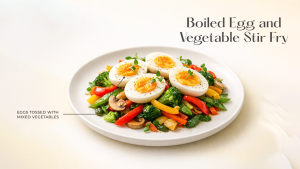
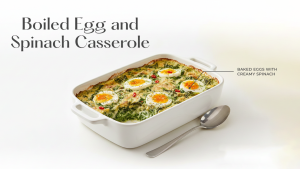
- Boiled
- Poached
- Scrambled with veggies
- Omelette with minimal oil
- Egg toast
- Egg salad
Avoid deep frying or combining eggs with heavy, oily foods—keep it simple and nutritious.
🥚 Final Verdict: Eggs Are NOT Your Enemy
The cholesterol myth has been busted by modern science.
Eggs are safe, healthy, and incredibly nutritious when eaten as part of a balanced diet. Whether your goal is muscle gain, weight management, brain health, or overall wellness, eggs remain a powerhouse food.