
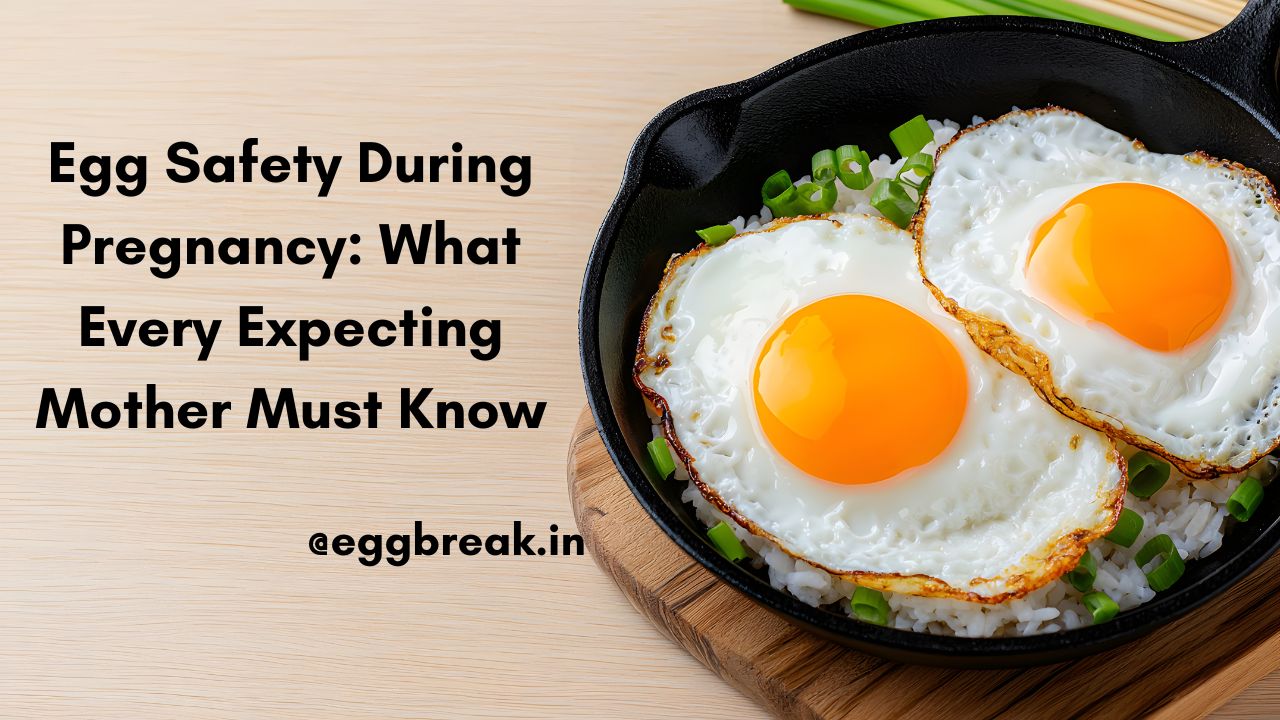
Pregnancy is a crucial and sensitive phase in a woman’s life, where every food choice directly impacts both the mother and the developing baby. A balanced diet rich in protein, vitamins, and minerals is essential for healthy fetal growth. Eggs are often recommended by doctors and nutritionists because they are affordable, nutrient-dense, and easy to include in daily meals. However, along with their benefits, understanding egg safety during pregnancy is extremely important to avoid health risks and infections.
When consumed and handled correctly, eggs can be one of the safest and most nourishing foods for expecting mothers.
Nutritional Benefits of Eggs During Pregnancy
Eggs are a complete food packed with essential nutrients required during pregnancy. They provide high-quality protein, which plays a vital role in the formation of the baby’s muscles, tissues, and organs. Protein also helps the mother maintain strength and supports healthy weight gain during pregnancy.
Eggs are rich in folate, a nutrient crucial for preventing neural tube defects in babies. They also contain choline, an often-overlooked nutrient that supports brain development and memory formation in the fetus. Vitamins like B12, vitamin D, and selenium present in eggs contribute to strong bones, immunity, and overall growth.
Many doctors recommend desi eggs or Organic Brown Eggs 12 eggs packs because they are perceived to be more natural and nutrient-rich. These eggs often come from better-fed hens and may contain higher levels of certain nutrients.
When you buy eggs from reliable sources, you ensure your body gets maximum nutritional benefits without compromising safety. Including eggs in breakfast or lunch helps maintain energy levels and reduces fatigue, which is common during pregnancy.
Importance of Proper Cooking
One of the most important safety rules during pregnancy is proper egg cooking. Raw or undercooked eggs may carry harmful bacteria such as Salmonella, which can cause food poisoning. During pregnancy, even mild infections can become serious, affecting both mother and baby.
Eggs should always be fully cooked, with firm whites and yolks. Avoid half-boiled eggs, runny yolks, homemade mayonnaise with raw eggs, or desserts that contain uncooked egg mixtures.
Using trusted sellers when you buy eggs significantly reduces contamination risks. Today, many women compare egg online price, customer ratings, and hygiene standards before purchasing. Reading reviews helps in selecting safe and reliable suppliers, especially during pregnancy.
Safe Storage and Handling of Eggs
Proper storage is just as important as cooking. Eggs should be stored in a refrigerator as soon as they are brought home. Using an egg tray helps keep eggs organized, prevents rolling, and reduces the risk of an egg break.
A broken egg can expose its contents to bacteria, increasing the risk of contamination. Always discard eggs with cracked shells. Keep eggs away from strong-smelling foods, as eggshells can absorb odors.
Wash hands thoroughly before and after handling eggs, and clean utensils used for egg preparation. These simple habits play a major role in preventing foodborne illnesses during pregnancy.
Online platforms offering eggs to buy usually follow strict hygiene and cold-chain standards. Compared to open markets, these platforms often provide better packaging and storage, making them a safer option for expecting mothers.
Why Buy Eggs Online During Pregnancy?
Pregnant women often prefer eggs to buy online for comfort and safety. Visiting crowded markets can be tiring and expose expecting mothers to infections, especially during later stages of pregnancy. Online egg shopping eliminates this concern by offering doorstep delivery.
Buying eggs online also allows mothers to compare egg online price, choose premium options like Organic Brown Eggs 12 eggs, and read quality certifications. Reliable platforms also offer replacement or refund policies in case of egg break, making online purchases stress-free.
Additionally, scheduled deliveries ensure that fresh eggs are always available at home, reducing the need for frequent shopping trips.
How Many Eggs Are Safe During Pregnancy?
Most doctors suggest consuming 1 egg per day during pregnancy unless advised otherwise. Eggs provide adequate protein without excessive calories. However, women with specific medical conditions should follow personalized dietary advice from their healthcare provider.
Balancing eggs with vegetables, whole grains, and fruits creates a complete pregnancy-friendly diet.
Conclusion
Eggs are safe, affordable, and highly beneficial during pregnancy when handled and cooked correctly. Their rich protein and nutrient profile supports both maternal health and fetal development. Choosing trusted sellers when you buy eggs, checking egg online price, storing them properly in an egg tray, and avoiding undercooked eggs ensures complete safety.
With easy access to eggs to buy online, expecting mothers can confidently include eggs in their daily meals and enjoy a nutritious, stress-free pregnancy journey.