
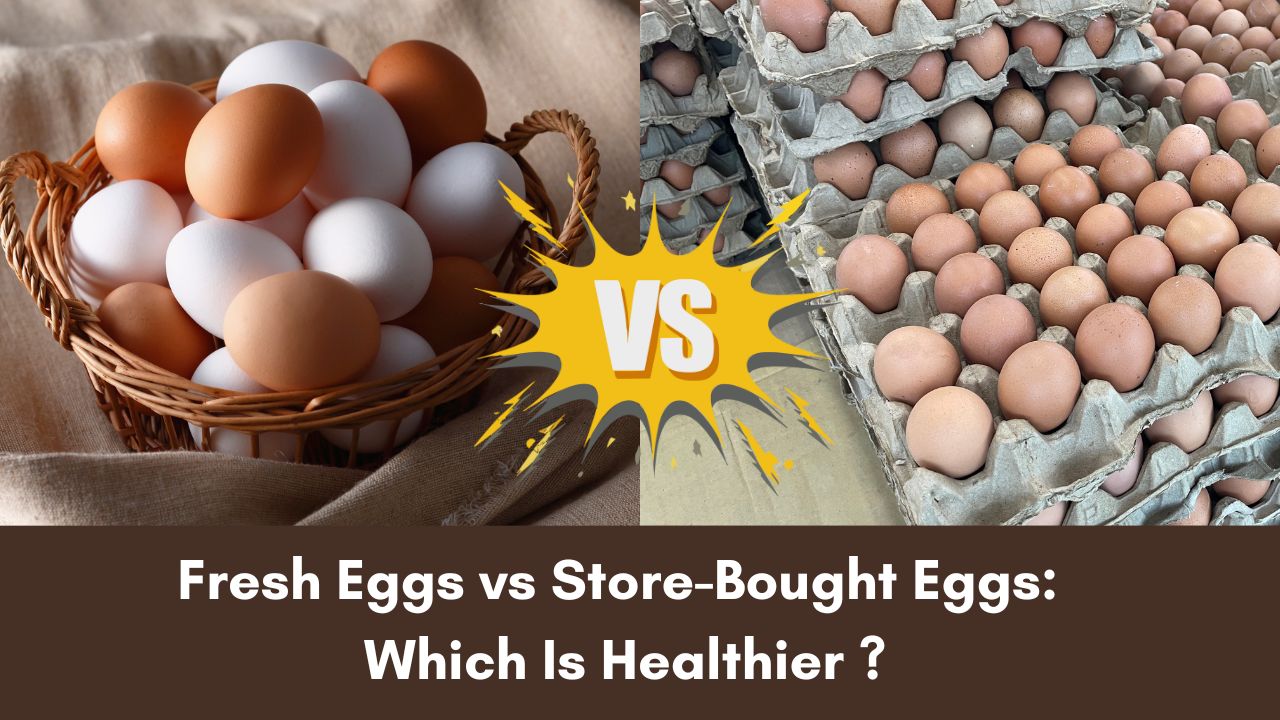
Eggs are one of the most affordable and nutrient-rich foods available, making them a staple in households around the world. They are packed with high-quality protein, essential vitamins, and healthy fats that support overall health. However, when it comes to choosing between fresh eggs and store-bought eggs, many people are unsure which option is truly healthier.
While both types of eggs offer nutritional benefits, the difference lies in freshness, handling, storage, and nutrient retention. In this article, we’ll take a detailed look at how fresh eggs compare to store-bought eggs and why fresh eggs are often considered the better choice for daily consumption.
Understanding Fresh Eggs and Store-Bought Eggs
Fresh eggs are typically collected directly from farms or local suppliers and reach consumers within a short time after being laid. These eggs often go through minimal handling and storage.
Store-bought eggs, on the other hand, are usually collected in bulk, cleaned, graded, packed, refrigerated, and transported over long distances before reaching supermarket shelves. This process can take several weeks, which affects their freshness and overall quality.
1️⃣ Nutritional Difference
One of the biggest advantages of fresh eggs is their superior nutritional value. Eggs naturally contain essential nutrients such as Vitamin A, Vitamin D, Vitamin E, Vitamin B12, omega-3 fatty acids, and antioxidants. These nutrients are most potent when the egg is freshly laid.
Fresh eggs generally retain:
- Higher levels of Vitamin A, which supports eye and skin health
- More Vitamin D, essential for bone strength and immunity
- Better levels of omega-3 fatty acids, which help reduce inflammation and support heart health
Store-bought eggs may lose some of these nutrients over time due to extended storage and refrigeration. Although they are still nutritious, the gradual decline in vitamin content makes them slightly less beneficial compared to fresh eggs.
2️⃣ Taste and Texture
Taste is another major factor where fresh eggs clearly stand out. Anyone who has cooked with fresh eggs will notice a significant difference in flavor and appearance.
Fresh eggs offer:
- Firmer, rounder yolks
- Thicker egg whites that stay compact
- A richer and more natural taste
Store-bought eggs often have:
- Flatter yolks
- Watery egg whites that spread easily
- A relatively bland flavor due to aging
This difference becomes especially noticeable when making dishes like boiled eggs, omelets, or sunny-side-up eggs, where the texture plays a key role in taste.
3️⃣ Safety and Hygiene
Egg safety is a major concern for many consumers. Fresh eggs from trusted sources are usually collected daily and handled with care, reducing the risk of bacterial growth.
Since fresh eggs have minimal storage time, there is less opportunity for bacteria to multiply if they are stored properly. Local and farm-fresh egg suppliers often follow strict hygiene practices and ensure quick delivery to consumers.
Store-bought eggs go through multiple stages of handling, including washing, packaging, refrigeration, transportation, and shelf storage. Each stage increases the risk of contamination if the eggs are not maintained at the correct temperature. Improper storage can allow bacteria like salmonella to grow, especially if refrigeration is interrupted.
4️⃣ Shelf Life and Freshness
Fresh eggs naturally have a longer effective shelf life when stored correctly. Unwashed fresh eggs can last for several weeks in the refrigerator while maintaining their quality.
Store-bought eggs may already be several weeks old by the time you purchase them, which reduces their remaining usable lifespan. Even though expiry dates are mentioned on cartons, they do not always guarantee peak freshness.
Fresh eggs are more reliable when it comes to:
- Consistent quality
- Better cooking results
- Lower chances of spoilage
5️⃣ Environmental and Ethical Considerations
Fresh eggs sourced locally often come from small-scale farms that follow more natural and ethical farming practices. This not only benefits animal welfare but also reduces environmental impact by minimizing transportation and packaging.
Store-bought eggs are usually part of large commercial operations that focus on mass production. While these systems are efficient, they often involve long supply chains and higher environmental costs.
6️⃣ Which Should You Choose?
Both fresh eggs and store-bought eggs provide essential nutrition, but when it comes to health, taste, safety, and overall quality, fresh eggs have a clear advantage.
Fresh eggs are:
- More nutritious
- Better tasting
- Safer when sourced responsibly
- Ideal for daily consumption
Final Verdict
👉 Fresh eggs are healthier, tastier, and safer than store-bought eggs.
For those who consume eggs regularly, choosing fresh eggs can make a noticeable difference in nutrition, flavor, and cooking quality. While store-bought eggs are convenient, fresh eggs remain the superior choice for a healthier lifestyle.
If you value quality, nutrition, and freshness in your daily meals, switching to fresh eggs is a simple and beneficial decision.