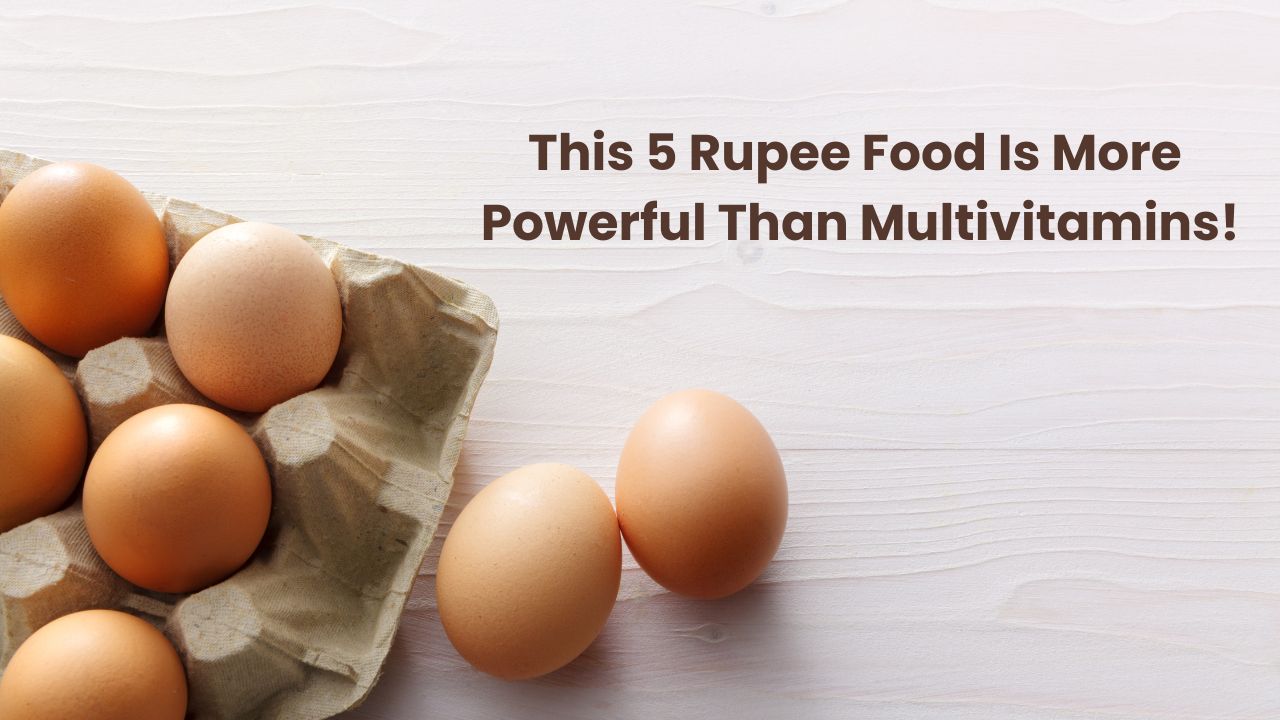
Healthy living doesn’t always come from big lifestyle changes. Sometimes, the smallest daily habits bring the biggest benefits. One such habit is simple, affordable, and surprisingly powerful: eating just one egg a day. Eggs are often called a complete food because of their rich combination of high-quality protein, essential vitamins, healthy fats, minerals, and other nutrients that most people don’t get enough of through regular meals. If you want better energy, stronger immunity, and a healthier body, the one-egg-a-day habit might be one of the easiest routines you can start.
Why One Egg a Day Makes a Difference
Many people eat meals that are heavy on carbohydrates—rice, chapati, snacks, sweets—yet the body lacks protein and essential nutrients. When the body doesn’t get enough protein, it leads to weakness, low metabolism, poor muscle strength, hair fall, skin issues, and a weaker immune system. One egg provides around 6–7 grams of high-quality protein, which directly helps meet your body’s daily requirements. This small addition to your diet can solve big nutritional gaps.
Eggs Are Packed with Rare Nutrients
Eggs are also packed with several nutrients that are hard to find together in one food. When you eat an egg every day, you get a combination of:
- Vitamin A
- Vitamin D
- Vitamin B2 & B12
- Iron
- Omega fatty acids
- Choline (very important for brain and memory)
Most foods provide only 1–2 nutrients at a time, but eggs deliver multiple health benefits in a small serving.
Health Benefits of Eating One Egg Daily
Eating one egg every day brings visible advantages for your body. It supports a strong immune system because eggs contain protein, vitamins, and antioxidants that help your body fight infections. They also improve brain function because choline plays a huge role in memory and focus, making eggs especially beneficial for students, working adults, and even elderly people.
Eggs also help in building and maintaining muscle and bone strength due to their protein and Vitamin D content. By keeping you full for longer, they control hunger, reduce unnecessary snacking, and maintain a healthy weight. Surprisingly, eggs are also good for your heart because they help increase good cholesterol (HDL) and support healthy blood circulation.
One Egg a Day is VERY Affordable
Another reason to love this habit is affordability. Many people believe healthy food is always expensive, but that isn’t true at all. One egg costs around ₹5–₹7, which means even eating one egg every day for a month costs only around ₹150–₹210.
That is cheaper than:
- Chocolates
- Chips
- Outside tea
- Supplements
- Protein powders
Eggs are still more budget-friendly than chicken, fish, almonds, protein powders, or supplements—and yet they offer equal or sometimes more nutrition than those foods.
Easy Ways to Make It a Daily Habit
You don’t need a special recipe or cooking plan. Just add an egg to your daily routine:
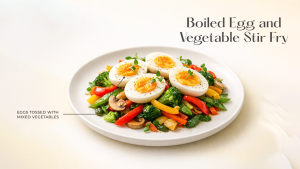
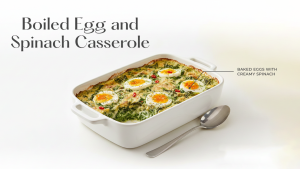
- Boiled egg with breakfast
- Egg curry
- Omelette with veggies
- Egg sandwich
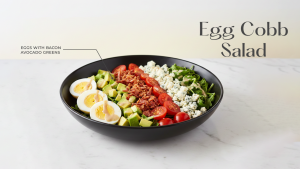
- Egg in salads
Any style works—boiled, scrambled, poached, or fried with very little oil.
Who Should Eat One Egg a Day?
Everyone can benefit from this habit—kids, teenagers, adults, gym beginners, working professionals, pregnant women, and even elderly people. It helps fight common nutrient deficiencies such as low protein, Vitamin D deficiency, and iron deficiency. It supports body growth, brain function, and long-term health.
Final Thought
Healthy habits don’t have to be complicated or expensive. Eating one egg a day is a small habit, but it gives long-lasting benefits: better immunity, more energy, stronger muscles and bones, and improved brain performance. It is simple, proven, and backed by science.
So start today—one egg at a time—and feel the difference in your everyday health!
✅ Blog 3 :
Why Egg Whites Are Great for Elderly Nutrition
As we age, our bodies undergo several changes that affect digestion, muscle strength, and overall energy. Maintaining a balanced diet becomes essential for preventing weakness, supporting mobility, and keeping chronic health issues at bay. One simple, affordable, and highly nutritious food that seniors can benefit from is egg whites. While whole eggs are packed with nutrients, egg whites offer specific advantages that make them ideal for elderly nutrition.
High-Quality Protein Without Extra Fat
One of the most important aspects of elderly nutrition is getting enough protein without consuming excess fat or calories. Egg whites are almost pure protein—they contain about 3–4 grams of high-quality protein per egg and almost no fat or cholesterol. Protein is essential for seniors because it helps maintain muscle mass, supports joint health, and repairs tissues. As people age, muscle loss naturally occurs, which can lead to weakness or mobility issues. Including egg whites in the diet can help slow down this process and keep the body strong.
Easy to Digest and Gentle on the Stomach
Digestibility becomes a major concern for the elderly. Many older adults struggle with digestion or have sensitive stomachs. Egg whites are extremely easy to digest, making them a gentle source of protein that the body can absorb efficiently. Unlike heavy meats or fried foods, egg whites provide essential amino acids without overloading the digestive system. This makes them perfect for seniors who need nutrition but cannot tolerate heavy meals.
Supports Heart Health
As we age, heart health becomes a priority. Many seniors avoid eggs entirely because of cholesterol concerns. However, egg whites contain zero cholesterol, which makes them heart-friendly while still delivering high-quality protein. They are a safe option for elderly people who want to maintain muscle mass and overall health without worrying about their cholesterol levels.
Helps Prevent Weakness and Frailty
Loss of strength, frailty, and fatigue are common problems in older adults. Protein from egg whites helps:
- Maintain muscle mass
- Support bone strength
- Improve mobility and balance
- Reduce the risk of falls
Daily consumption of egg whites, along with other nutrient-rich foods, can improve energy levels and reduce weakness in elderly people.
Affordable and Versatile Nutrition
Egg whites are not only nutritious but also cost-effective and easy to prepare. They can be:
- Boiled
- Scrambled
- Added to soups or porridge
- Mixed into omelettes with vegetables
These simple methods make it easy for seniors to include egg whites in their daily diet without any special effort.
Nutrient Highlights of Egg Whites
Egg whites may be simple, but they provide vital nutrients for elderly nutrition:
- High-quality protein – builds and repairs muscles
- Low calories – helps maintain a healthy weight
- No fat or cholesterol – safe for the heart
- Rich in essential amino acids – supports overall body function
When combined with vegetables, whole grains, or dairy, egg whites can become part of a balanced meal that meets the nutritional needs of older adults.
Final Thought
For seniors, nutrition is not just about eating—it’s about eating smart. Egg whites are an ideal food for the elderly because they are easy to digest, high in protein, low in fat, and affordable. They support muscle health, heart health, and overall energy, helping seniors maintain independence and a better quality of life. Including egg whites in daily meals can be one of the simplest yet most effective ways to improve elderly nutrition and promote healthy aging.